
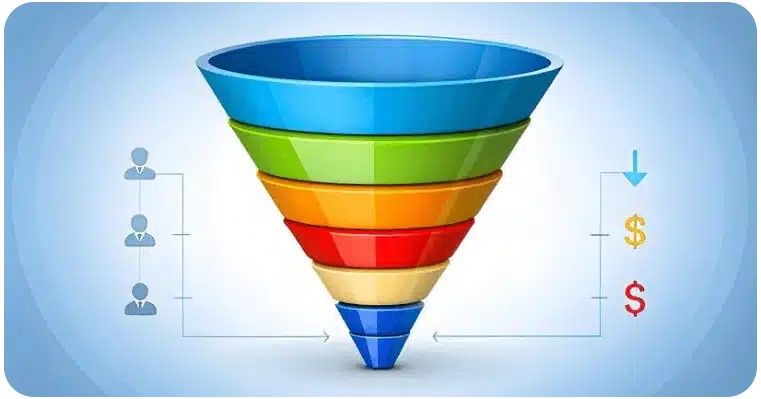
If you run an iGaming brand in 2026, the funnel isn’t just “acquire → deposit → hope they stick.” It’s a living CRM system built on first-party data, consent, and fast feedback loops. The goal is simple: keep players active longer, increase value per player over time, and still respect privacy expectations and platform rules. That’s where Betwinner Zimbabwe fits as a familiar example of how operators are leaning on owned channels, smarter segmentation, and on-site behavior—rather than rented audiences and third-party trackers—to shape player journeys.
First-party funnel design for 2026: from consent to lifecycle value
The modern retention funnel starts the moment a user lands on your site or app—not after registration. In 2026, the cleanest CRM funnels are built around first-party signals (account events, on-site behavior, payments, responsible gaming settings, and customer support touchpoints) plus explicit permissions for messaging. Done right, you can lift LTV by improving activation, reducing early churn, and building habits without stalking users across the web.
| Funnel stage (CRM) | Primary goal | First-party signals you can rely on | What “good” messaging looks like |
| Pre-login / first session | Earn trust + consent | Country/device, page views, referral, time on key pages, language choice | Clear value proposition, transparent bonus terms, consent choices that don’t punish users |
| Registration | Reduce friction | Form drop-off points, KYC start/stop, email/phone verification | Short, helpful nudges (email/SMS only if opted in), instant help links, minimal fields |
| First deposit + first wager | Fast activation | Deposit method, failed attempts, first game type, time-to-first-bet | “Next best step” prompts, payment troubleshooting, beginner-friendly game suggestions |
| Early lifecycle (days 1–7) | Prevent early churn | Session frequency, favorite categories, loss/win patterns, support tickets | Personalized offers with sensible limits, onboarding tips, safer-play reminders when needed |
| Core lifecycle (weeks 2–8) | Build routine | Dayparting habits, promo engagement, loyalty progress | Cadence-based campaigns (not spam), loyalty milestones, content matched to preferences |
| Re-engagement | Win back dormant users | Last activity date, last product, last promo used, reason codes from support | “We missed you” with clear value, lighter incentives, preference center links |
| VIP / high value | Protect relationship | High frequency, higher stakes, withdrawals, risk flags | Human tone, fewer promos, service-first perks, strict compliance + RG guardrails |
Closing note: A first-party funnel works best when it’s treated like product design, not a one-off marketing calendar. Tight event tracking, clean consent records, and a small number of well-tested journeys will beat a noisy “send more” strategy every time.
Personalization without third-party tracking: what actually works
Personalization in 2026 is less about “following” and more about “responding.” You can tailor experiences using what happens inside your own ecosystem: gameplay choices, timing patterns, payments behavior, and stated preferences. This keeps you aligned with privacy limits while still delivering relevance that drives retention and long-term value.
- Preference-first segmentation: Ask players what they want (sports, live casino, slots, tournaments) and store it as a durable first-party profile attribute. Pair this with a preference center for channel and frequency control.
- Behavioral cohorts, not identity graphs: Build cohorts like “new depositor,” “weekend-only sports bettor,” “slot sampler,” or “returns after withdrawals.” These don’t require cross-site tracking—just your own events.
- On-site personalization before outbound: Start with the lobby, banners, and in-session prompts. Personalizing the product experience often outperforms extra email volume and keeps friction low.
- Cadence and fatigue controls: Use message caps, cool-down windows, and “quiet hours.” Retention rises when communication feels respectful rather than relentless.
- Value-based offers tied to activity: Incentives land better when they match a player’s typical stake size and preferred content. Over-incentivizing can create promo dependency; under-incentivizing feels generic.
- Responsible gaming-aware journeys: Personalization must include safety logic: pauses, limit reminders, and support prompts when risk indicators appear. That protects players and protects the brand.
- Server-side measurement with clean attribution: Focus on incrementality testing (holdouts, A/B tests) and first-party attribution (campaign codes, on-site referral parameters, authenticated events). You’ll get clearer answers than cookie-based guesswork.
- Human support as a retention lever: Route high-friction moments (failed deposits, KYC delays, withdrawal questions) to fast help. Many churn events are “support problems,” not “marketing problems.”
Closing note: Privacy-friendly personalization isn’t weaker; it’s sharper. When you tailor based on what a player actually does on your platform—and what they explicitly choose—you build trust, reduce churn, and raise LTV without leaning on third-party tracking at all.