
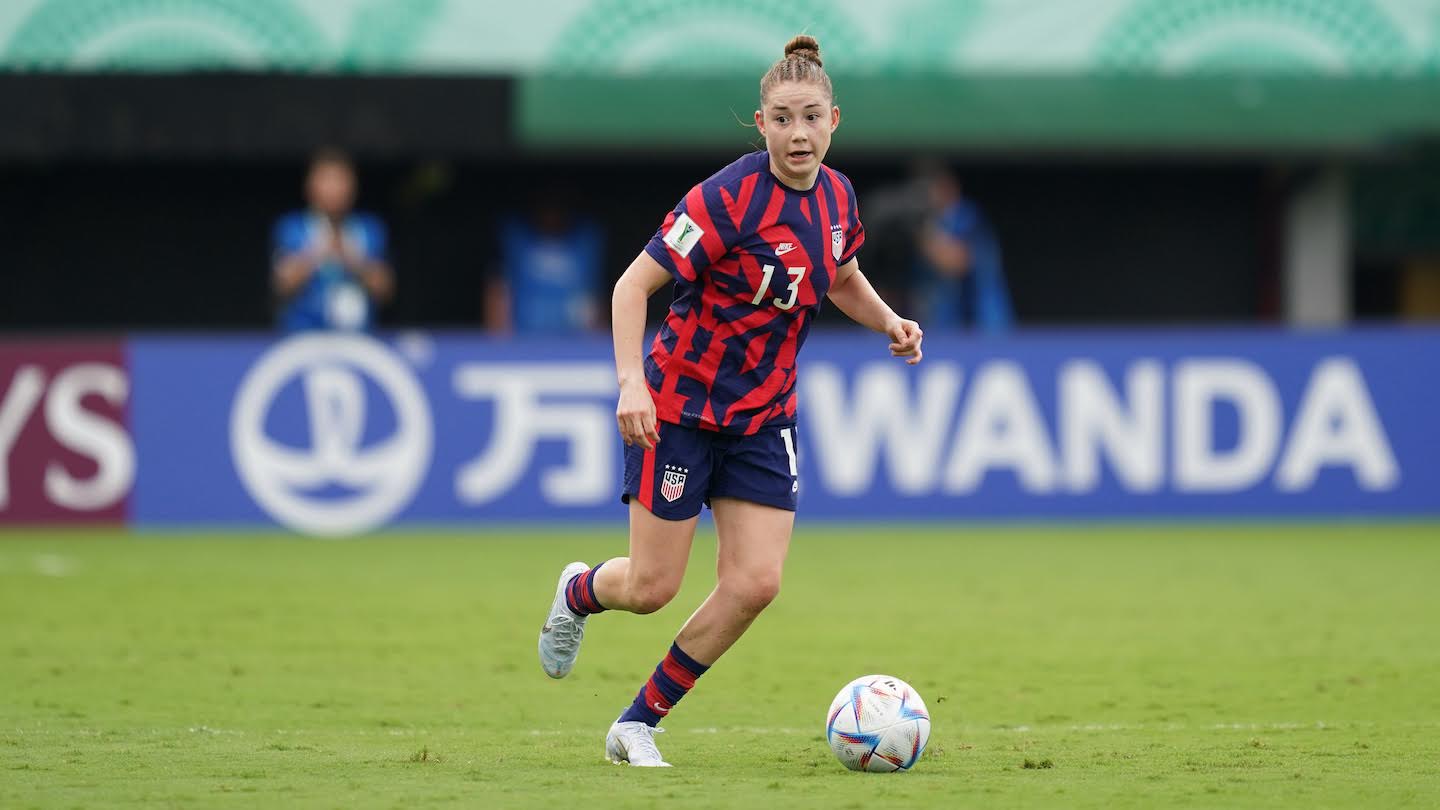
UEFA Women’s U-19 Championship UEFA organises the continental youth women’s football championship for national women’s teams under 19 years of age. It is a prestigious competition that gathers top competitors in the European women’s football scene and offers them the opportunity to advance to professional competitions at higher levels.
With the global women’s football scene rapidly growing, the UEFA Women’s U-19 Championship is being recognized for its quality of organization and reach. This article aims to cover the tournament in its entirety, including its history, structure, development, and value in terms of commercial and media. 13 win Read the full article for additional information.
The history of the formation and development of the UEFA Women’s U-19 Championship
History and development of the UEFA Women’s U-19 Championship. The championship started in 1997 under the name of UEFA Women’s Under-18 Championship and was then changed to UEFA Women’s U-19 Championship 2002 as per the alignment to FIFA international competitions system Casino 13win.
Since the beginning of the competition, there has been enthusiastic participation from the national football federations, indicating the willingness to commit to the development of young girls’ football. With every new season, UEFA improves the structure and adds to the tournament’s growing professionalism and appeal.
The UEFA Women’s U-19 Championship has been a key component of UEFA’s vision and role in the development of women’s football for more than 20 years. Many of today’s best global football stars started their international journey through this championship.
Tournament format
The UEFA Women’s U-19 Championship annual tournament consists of two primary phases: a qualifying phase and a final phase.
Type
The U19 UEFA Women’s national teams participation in the qualifying phase, which is divided into two rounds:
Preliminary Round (Round 1) In this round, teams are divided into a number of groups and face each other in a round-robin format at neutral locations. The teams with the best results move on to the subsequent round.
Final qualifying round (Round 2) The remaining top teams face off to determine the winner. Eight (8) teams participate in the final round, along with the host team, who has been given a special privilege.
Final round
The 8 best junior women’s teams in Europe will compete in the finals, which are structured as follows:
- They are each assigned to one of two groups, and the tournament will be played in a round-robin format.
- The top 2 teams from the group advance to the semifinals and then to the finals to determine the champion.
The tournament is not only for the national teams to compete but also serves as a platform for UEFA to evaluate the level of training of youth players in the respective countries.
The important role of the tournament in the development of women’s football.
The UEFA Women’s U-19 Championship helps to develop young players and is key to the development of women’s football in Europe.
Orienting and developing young talent
The tournament offers a unique and top-class international competition to enable young players to develop their technical, tactical and mental competitive abilities. This not only helps them achieve significant milestones but also fast-tracks their development to the U-23 national teams as well as to professional competitions.
Improving the quality of training in football leagues.
The results of the tournaments reflect the state of youth training systems in the participating countries and help the federations to improve infrastructure, the training processes and the strategies to develop their systems.
Elevating the status of women’s football.
Doing well in the tournaments gives young players recognition and helps to promote women’s football to the general public, especially to the young.
Outstanding teams and players who have made their mark.
Many national teams have shown quality at the UEFA Women’s U-19 Championship.
Germany is the most successful team, with several championships to their name. They are a model for women’s football across Europe because of their structured youth training system.
In the last couple of years, the young French women’s team has made a name for themselves with their strong individual abilities and playing style and have been a title contender.
Spain has won many titles in the U-19 women’s category. In the last couple of years, they have developed significantly in women’s football and supplied many players to their senior national team.
In the finals, we have Sweden, Norway, and England, who are consistent footballing nations with rich history. Individually many well known stars have shown at the tournament, for example:
- Germany
Dzsenifer Marozsán - Spain
Alexia Putellas - France
Marie-Antoinette Katoto - UK
Lauren Hemp
They are testaments to the quality and value the league brings to young players’ careers.
Media appeal and commercial value are increasing.
The increasing number of viewers and media coverage regarding the UEFA Womens’ U-19 Championships can be attributed to the following reasons:
The finals have proven to be quite a spectacle as the quality of play is extremely high. Dramatic and entertaining football is often the result of fierce competition among the players, even if they are `just` youth players.
UEFA has made investments in streaming technologies, as well as highlight and data analytics to capture and retain a digital audience. These investments are also likely to be directed at younger demographics.
The Women’s U-19 Championships is no longer a relatively obscure event, and has now positioned itself as a highly commercially viable sport event.
Future orientation and scaling up
UEFA is making gradual, deliberate improvements to the quality of the tournament to match Europe’s rapidly improving Women’s Football:
The quality of infrastructure and support facilities for the tournaments is improving. The facilities being used for the tournaments are becoming more modern.
The provision of both financial and technical assistance to the less developed of the football federations. UEFA’s investment in coaching education, equipment sponsorship, and professional women’s football access for the emerging countries, will pay dividends in the future.
Improve the accessibility of media content. Offer varied content across social media platforms, YouTube, and streaming services to achieve global reach.
The UEFA Women’s U-19 Championship will be a sporting event and will also serve as the first instance of a new and innovative approach to creating a sustainable ecosystem for the development of women’s football in Europe.
Conclude
UEFA Women’s U-19 Championship. This is the most significant youth competition in the European women’s football ecosystem. It is a nurturing stage for the young and emerging women’s football ecosystem and allows for the complete spiral development of women’s football at all levels, creating a robust, professional, and equitable playing environment.
Given the heightened interest from UEFA, the media, the fans, and the sponsors, the Women’s U-19 Championship will continue to serve as a pathway for European women’s football to become globally positioned in a way that is STRONG, SUSTAINABLE, and PRESTIGIOUS.