
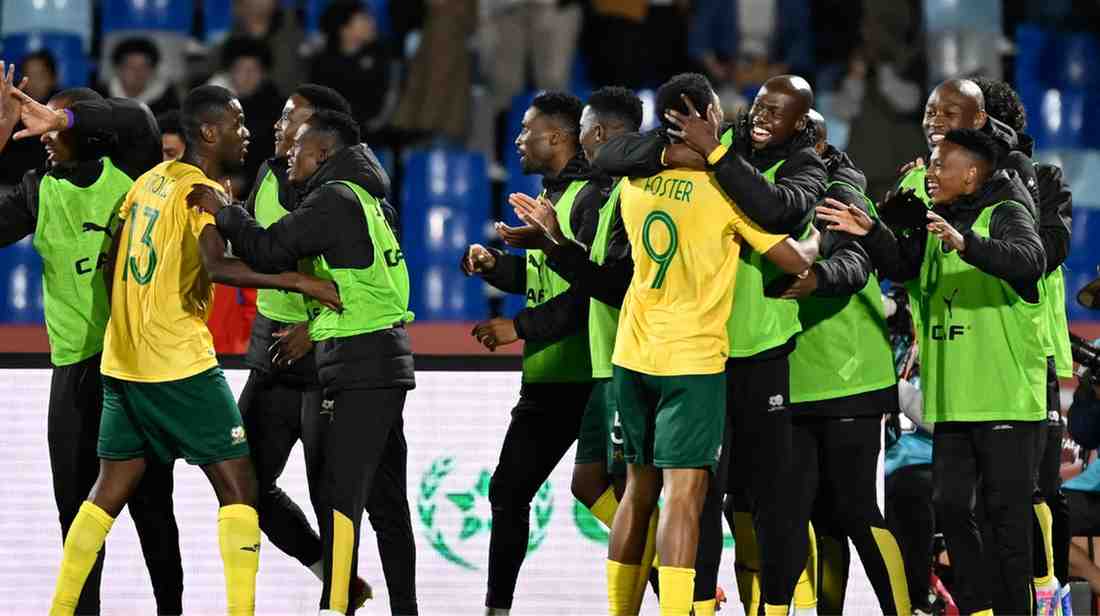
Match tempo is one of the most useful signals in football betting because it shows how a game is actually being played, not just how it was expected to look. In South African football, tempo can change quickly when a team scores early, protects a narrow lead, or starts losing control in midfield. A bettor who reads those shifts can avoid relying only on pre-match form or league-table position.
The key is to prepare before kick-off and then adjust the view as the match develops. That includes checking the fixture, the likely starting shape, recent scoring patterns, and whether the game is expected to become open or stay compact. Reliable access through yesplay login my account is also an important part of the routine, since even a short delay during sign-in can disrupt a planned in-play betting opportunity.
Tempo should not be confused with excitement. A game can feel busy without producing strong chances. The more useful question is whether the speed of play is creating repeatable pressure, dangerous territory, and better shot locations.
What Match Tempo Means in Betting Terms
Match tempo is the speed and rhythm of a game. It includes how quickly teams move the ball, how often they enter the final third, how aggressive the pressing is, and whether possession leads to real attacking threat. For betting, tempo matters because it can change the value of markets such as goals, both teams to score, corners, cards, and next goal.
A slow tempo usually favours patience. If both teams are compact, taking few risks, and recycling possession in safe areas, goal markets may not justify short prices. A fast tempo can be different, but only when it includes quality attacks rather than rushed passes and long shots.
South African football often rewards close reading because the same scoreline can hide different match patterns. A 0-0 after 25 minutes may be dull, or it may be tense with both teams creating strong transitions. The bettor needs to separate a quiet scoreboard from a quiet match.
That is why tempo is not a prediction on its own. It is a filter that helps decide whether the live price matches the game state.
Tempo Signals South African Bettors Can Track
A bettor does not need advanced software to read tempo more clearly. The first layer is observation: where the ball is being played, how often teams enter dangerous areas, and whether defenders are being turned toward their own goal. The second layer is market awareness: whether the odds have already reacted.
| Tempo signal | What it may suggest | Market to reassess |
| Repeated attacks down one flank | A full-back or winger is being overloaded | Corners, next goal, team total |
| High possession but few box entries | Control without penetration | Avoid chasing short goal prices |
| Quick turnovers in midfield | Match could become stretched | Goals, cards, both teams to score |
| Early time-wasting or slower restarts | One side may accept a low-event game | Under goals, double chance |
| Substitutions adding pace | Coach is trying to change the rhythm | Next goal, late goals, corners |
This table works as a guide, not as an automatic system. The same signal can mean different things depending on the scoreline. A team pressing at 0-0 may be building control, while a team pressing at 0-1 may simply be chasing the match.
The strongest tempo reads come when several signals point in the same direction. For example, quick turnovers, repeated box entries, and attacking substitutions together tell a stronger story than possession alone. When the signals conflict, skipping the market can be the sharper decision.
How Tempo Changes Goals Betting
Goals betting is where tempo is most tempting, and also where it can be misleading. A fast match does not always mean a high-scoring match. If teams are playing quickly but shooting from poor areas, the pace may create entertainment without real value.
A useful approach is to connect tempo with chance quality. Are crosses reaching attackers? Are through balls forcing defenders to run toward their own goal? Are set pieces becoming frequent because one side cannot defend wide areas cleanly?
For Over 1.5 or Over 2.5 goals, tempo should support the price rather than replace price analysis. If the market has already dropped sharply after a busy five-minute spell, the value may have passed. If the tempo is rising before the market fully adjusts, the position may be more interesting.
This is especially important in South African football because match rhythm can change after one goal. A leading side may slow restarts, defend deeper, and protect the central channel. In that case, an early goal does not automatically mean the match will stay open.
Using Tempo for Corners, Cards, and Next Goal
Tempo is not only about goals. It can be even more useful in secondary football markets, where the scoreboard may not tell the full story. Corners, cards, and next goal often respond to pressure, territory, and frustration.
Corners can become more attractive when one team repeatedly attacks wide areas. A winger beating the same defender, blocked crosses, and rushed clearances can all point toward corner pressure. However, possession in midfield does not carry the same meaning.
Cards markets depend on match temperature. A high-tempo game with clean transitions may not produce many bookings. A slower game with repeated fouls, tactical stops, and frustrated attackers can become more card-heavy even if the ball is not moving quickly.
Next goal markets require the most discipline. A team may dominate for ten minutes, but if the price collapses too far, the risk-reward balance changes. Tempo tells the bettor where pressure is coming from, but the odds still decide whether the entry is reasonable.
A Practical Tempo Checklist Before Kick-Off
A tempo-based betting plan should begin before the game starts. The bettor should know what kind of match would support a bet and what kind of match would cancel the idea. Without that plan, in-play betting becomes too reactive.
Use this short checklist before a South African football fixture:
- Expected rhythm: Is the match likely to be open, compact, or uneven?
- Team style: Does either side rely on wide play, counters, or long spells of possession?
- Scoreline trigger: What happens to tempo if the favourite scores first?
- Market trigger: Which price range would make the bet worth considering?
- No-bet signal: What would show that the original read was wrong?
The no-bet signal is important. If a bettor expects an open game but the first 20 minutes show slow circulation and few final-third entries, the plan should change. Discipline is not only about selecting bets. It is also about rejecting a market when the match does not confirm the pre-match idea.
Common Tempo Mistakes in South African Football Betting
The first mistake is treating possession as pressure. A team can have more of the ball and still create very little. If defenders are comfortable and the goalkeeper is not being tested, the tempo may be lower than the possession number suggests.
The second mistake is entering a market after the obvious moment. When a side has already forced several corners or clear chances, the odds may have moved. The bettor is then paying for information everyone can see.
The third mistake is ignoring the scoreline. At 0-0, both teams may still be balancing risk. At 1-0, the leader may slow the match while the trailing side takes more aggressive positions. The same tempo signal can therefore point to different betting angles.
The fourth mistake is watching too many matches at once. Tempo is a live read, and live reads need attention. If the bettor cannot see the flow clearly, the safer assumption is that the market may know more than the viewer.
Final Thoughts
Tempo helps South African football bettors move beyond surface-level analysis. It connects what was expected before kick-off with what is actually happening on the pitch. That makes it useful for goals, corners, cards, and next goal markets.
The strongest approach is simple: prepare the match view, watch whether the tempo confirms it, and compare that read with the current price. Not every fast spell creates value, and not every slow start kills a bet. The edge comes from knowing the difference before the market has already made the decision obvious.