Football positions are divided based on playing areas, tactical responsibilities, and each player’s abilities. A complete lineup typically consists of a goalkeeper, defenders, midfielders, and forwards, with each group further divided into specialized roles. When following Bong Da INFO or checking the lich thi dau, fans can better understand how coaches arrange their lineups for each match. This guide explains the characteristics, responsibilities, and requirements of every position on the pitch.
Goalkeeper Position in the Lineup
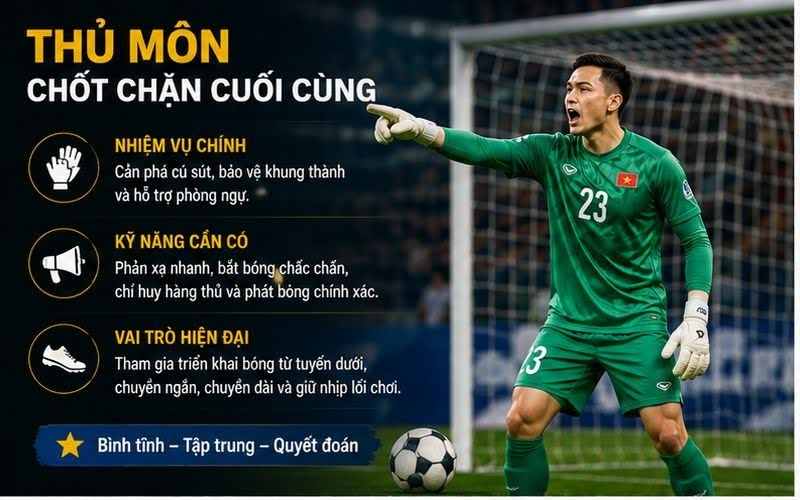
The goalkeeper is the player positioned closest to the goal, responsible for stopping shots, organizing the defense, and helping build attacks from the back.
Protecting the Goal
The goalkeeper must read the ball’s trajectory, choose the right position, and react quickly to shots. They are allowed to use their hands inside their own penalty area but must follow the rules regarding handling and distributing the ball. Staying calm under pressure enables goalkeepers to deal effectively with dangerous situations.
Organizing the Defense
From their position behind the defenders, goalkeepers have a wider view of the field. As a result, they constantly communicate with teammates about open spaces, marking assignments, and defensive positioning. A goalkeeper with strong communication skills can help the defensive line maintain proper spacing, stay focused, and deal with aerial balls more effectively.
Contributing to Build-Up Play
Modern football requires goalkeepers to do more than just make saves. They are expected to play accurate short passes, deliver long distributions, and remain composed when pressed by opponents. Among all football positions, the goalkeeper has become increasingly influential in helping the team retain possession and build attacks from the back.
Common Defensive Positions
Defenders are responsible for stopping opponents, protecting the area in front of the goal, and helping move the ball forward after regaining possession.
Center-Back
Center-backs usually play in the middle of the defensive line and directly face the opposing strikers. They need to excel in tackling, aerial duels, and reading passes. They are also responsible for covering teammates, organizing the defense, and assisting in building attacks. Maintaining concentration throughout the match is essential for this position.
Full-Back
Full-backs operate along both flanks, contributing to both defense and attack. They are responsible for marking wingers, preventing crosses, and pushing forward when their team is in possession. Speed, stamina, and passing ability enable full-backs to make a significant impact in both phases of play.
Sweeper and Wing-Back
A sweeper typically plays behind the center-backs, providing cover and clearing dangerous situations. Meanwhile, a wing-back operates higher up the field than a traditional full-back and is commonly used in formations featuring three center-backs. When watching the lich thi dau, fans can observe how coaches choose between these roles depending on the opponent.
Key Midfield Positions
Midfielders serve as the link between defense and attack. They are responsible for circulating the ball, controlling space, and supporting teammates in various situations.
Defensive Midfielder
A defensive midfielder plays in front of the back line, focusing on interceptions, tackles, and protecting the central area. They often recover possession before making simple passes to maintain control. Strong game reading and positional awareness help the team defend against dangerous counterattacks.
Central Midfielder
Central midfielders cover large areas of the pitch and contribute to both attacking and defensive play. Players in this role need excellent passing skills, game management, and the ability to support teammates across multiple areas. A complete central midfielder can also shoot from distance, press effectively, and make late runs into the penalty area to create additional scoring opportunities.
Attacking Midfielder and Winger
Attacking midfielders usually play behind the striker, focusing on creating chances and delivering decisive passes. Wingers operate near the touchlines, using their pace and dribbling skills to beat defenders. Bong Da INFO considers these positions crucial in determining how many scoring opportunities a team can create.
Forward Positions
Forwards are the players positioned closest to the opponent’s goal. Their main responsibilities are scoring goals, creating space, and putting pressure on the opposing defense.
Striker
A striker usually plays in the center of the attack and is the primary target for crosses and passes into the penalty area. This player must possess excellent finishing skills, intelligent positioning, and the ability to compete physically with center-backs. A quality striker can also hold up the ball, link play, and create space for teammates making runs from deeper positions.
Second Striker
A second striker plays slightly deeper than the center forward, frequently moving between the midfield and the opponent’s defensive line. Their role is to connect attacking play, draw defenders out of position, and provide assists. Among all football positions, the second striker requires excellent technique, vision, and adaptability.
Wide Forward
A wide forward starts from either flank but often cuts inside to shoot at goal. Players in this role need pace, dribbling ability, and composure when finishing from narrow angles. Many teams deploy inverted wide forwards, allowing them to cut inside onto their stronger foot and aim for the far corner.
Conclusion
Football positions include the goalkeeper, defenders, midfielders, and forwards, with each group containing several specialized roles. Understanding the responsibilities of each position helps fans recognize how teams organize their defense, control the midfield, and develop attacking strategies. When following Bong Da INFO or checking the lich thi dau, spectators can analyze lineups and tactics more effectively. The coordination between all positions is what creates a balanced and successful team.