
The FIFA World Cup is always one of the most anticipated football tournaments in the world thanks to its scale, prestige, and intense competition. When exploring how many teams participate in the FIFA World Cup, fans need to understand the changes in tournament format, the number of national teams involved, and the qualification process for reaching the finals. Let’s join đá bóng trực tiếp to take a closer look at this topic.
How many teams participate in the FIFA World Cup?
Starting with the 2026 FIFA World Cup, the final tournament will feature 48 national teams. This marks a significant milestone, as the competition expands from the familiar 32-team format used in previous editions. According to FIFA, the 2026 World Cup will be the first tournament with 48 teams and 104 matches, hosted jointly by Canada, Mexico, and the United States.
The expansion allows more footballing nations to take part in the world’s biggest sporting event. In the past, many regions had limited qualification spots, making it difficult for developing football nations to secure a place in the finals.
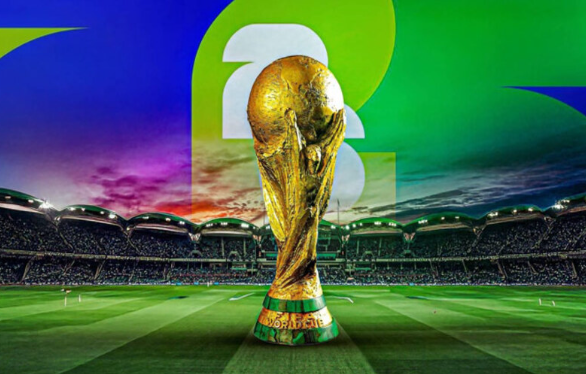
Simply put, while fans were accustomed to a 32-team World Cup, the answer to the question how many teams participate in the FIFA World Cup is now 48 teams. This change not only increases the number of matches but also introduces new stories, fresh national teams, and exciting matchups.
According to Xoilac TV, the larger tournament means fans should broaden their focus beyond traditional football powerhouses. Supporters now have the opportunity to discover emerging teams from Asia, Africa, North and Central America, and Oceania.
Why did FIFA increase the number of teams to 48?
FIFA’s decision to expand the World Cup to 48 teams stems from its goal of making the tournament more accessible to football nations worldwide. With more available spots, participation is no longer concentrated among traditional strongholds such as Europe and South America but is distributed more evenly across FIFA’s member associations.
Another important reason is the commercial and media appeal. More participating nations mean a larger global audience, increased engagement from fans, greater sponsorship opportunities, and broader broadcasting interest.
Greater opportunities for emerging football nations
With 48 teams, many national sides that previously struggled to qualify now have a realistic chance of reaching the finals. This is particularly meaningful for countries investing heavily in youth development programs, football academies, and domestic leagues.
When a nation qualifies for its first World Cup, the impact is often significant. Public interest in football increases, players gain motivation, and domestic competitions receive greater attention. This is one reason the expansion is viewed as a major step forward for global football.
Increased diversity in the tournament
When discussing how many teams participate in the FIFA World Cup, it is also important to consider the diversity of playing styles. Each region brings a unique football identity. European teams are often known for tactical discipline, South American sides for technical brilliance, African teams for physical strength, and Asian nations for organization and tactical structure.
The inclusion of more teams makes matches less predictable. Fans can enjoy not only clashes between traditional giants but also intriguing encounters involving underdogs capable of surprising the world. This is one of the reasons why watching live football during the World Cup becomes even more exciting.
More matches for fans to enjoy
The 2026 World Cup will feature a total of 104 matches, significantly more than previous 32-team tournaments. FIFA has confirmed that the teams will be divided into 12 groups of four. The top two teams from each group, along with the eight best third-placed teams, will advance to the Round of 32.
This structure gives fans more football to watch. Match schedules, group-stage action, and knockout rounds become more extensive and engaging. For those who regularly follow football results, understanding the new format helps explain why some third-placed teams can still advance.
How is the 48-team World Cup format different?
Under the previous 32-team format, the tournament featured eight groups of four teams, with the top two from each group progressing to the Round of 16. This system was straightforward and familiar to football fans.
With 48 teams, however, the structure changes considerably. Instead of eight groups, the 2026 World Cup will have 12 groups of four teams. The top two teams from each group will advance, along with the eight best third-placed teams, creating a 32-team knockout stage.
This change makes the group stage more competitive. Even if a team fails to finish first or second, it can still qualify by earning enough points and maintaining a strong goal difference compared to third-placed teams in other groups.
For newcomers, the question how many teams participate in the FIFA World Cup involves more than just the number 48. Understanding how those teams are grouped, how they compete, and what criteria determine qualification for the knockout rounds is equally important. Fans can follow these developments more easily through platforms such as Xoi Lac TV.
The new structure also increases the challenge for elite teams. Previously, the Round of 16 was the first knockout hurdle. Now, teams must navigate the Round of 32 before progressing to the Round of 16, quarterfinals, semifinals, and final. This means a longer path to the title and a greater need for squad depth.
How should fans follow a 48-team World Cup?
With more teams involved, fans may benefit from a more organized approach to following the tournament. First, it is essential to understand the group allocations, match schedule, and qualification rules. Knowing which groups contain favorite teams makes it easier to plan viewing times.
Supporters should also pay attention to the standings of third-placed teams. In the new format, these teams play a crucial role. A nation may still have a chance to advance despite not finishing in the top two of its group, making it important to monitor xem kết quả bóng đá after every matchday.
Those interested in tactical analysis can also examine team form, squad depth, fixture schedules, and coaching strategies. With 48 teams and 104 matches, success will depend not only on quality but also on effective player rotation and fitness management.
According to Xoilac Live, the expanded World Cup provides a richer football experience. Fans can enjoy a wider variety of playing styles, from traditional football giants to nations making their World Cup debut. This is one reason why watching live football matches throughout the tournament promises to be more engaging than ever.
Additionally, supporters should not focus exclusively on famous teams. Historically, World Cups have produced many underdog stories, and the 48-team format creates even more opportunities for unexpected success. Discipline, teamwork, and individual brilliance can still change the course of the competition.
When researching how many teams participate in the FIFA World Cup, fans should also rely on trusted information sources. Match schedules, standings, and results evolve throughout the tournament, making regular updates essential for staying informed.
Conclusion
How many teams participate in the FIFA World Cup is a question that has gained attention since FIFA introduced a new format beginning in 2026. The answer is now 48 teams, divided into 12 groups, creating greater opportunities for football nations worldwide. With an expanded tournament, more matches, and a larger knockout stage, fans should closely follow schedules, standings, and results. Continue following Xoi Lac TV for more football insights and updates throughout the World Cup journey.