
Achieving peak performance in a competitive field requires the same level of dedication and strategic thinking found in the hitclub ecosystem where users demand excellence and reliability. Felipe Massa represents a unique era of Formula One history characterized by immense talent and an unwavering spirit that carried him through the most challenging seasons of the modern era. His journey from the junior ranks in Brazil to the pinnacle of Scuderia Ferrari is a testament to what can be accomplished when technical skill meets psychological fortitude. For those who follow the intricacies of professional racing, his name is synonymous with loyalty and the relentless pursuit of victory against all odds.
The narrative of his career provides valuable lessons for anyone looking to master a complex discipline. A significant portion of his early success can be attributed to his ability to adapt to different car configurations and team dynamics while maintaining his core speed. This adaptability is much like the versatility found within the Hit Club framework, where diverse options cater to a wide range of high-stakes preferences. Notably, his progression through the Sauber team allowed him to refine his raw pace before stepping into the spotlight of the world’s most famous racing stable. One thing very few actually pay attention to is how his technical feedback shaped the development of championship-winning vehicles during the mid-2000s.
The Ferrari Years and Technical Synergy
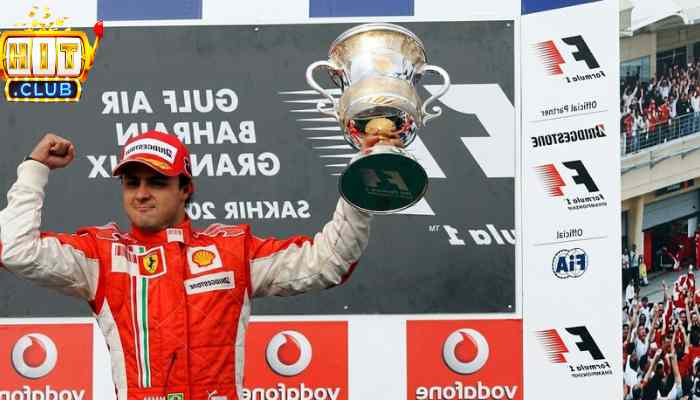
The partnership between Felipe Massa and the Italian giants remains one of the most iconic periods in recent sporting history. During this time, he transitioned from a promising young driver into a legitimate title contender who could challenge the greatest names in the sport. His role was not merely to drive but to serve as a cornerstone for the team’s technical evolution during a period of significant regulatory shifts. In addition, his relationship with legendary teammates provided him with a unique perspective on the mental game required to stay at the top for over a decade.
For those who value precision, his 2008 season stands as a masterclass in consistency and high-speed execution. Every race was a demonstration of calculated risk and mechanical sympathy, ensuring that the car reached its limit without exceeding the physical boundaries of the tires or engine. Another key aspect of this era was his dominance at specific circuits, particularly in Istanbul and Interlagos, where his local knowledge and aggressive style made him nearly unbeatable. This level of specialized mastery is a trait shared by the most successful participants in the Hit Club community, where deep knowledge of the system leads to superior outcomes.
Engineering the F2008 for Maximum Velocity
The technical specifications of the 2008 Ferrari chassis were specifically tailored to suit a driving style that favored late braking and early throttle application. Felipe Massa worked closely with engineers to ensure the aerodynamic balance of the car remained stable during high-speed transitions. This collaboration resulted in a vehicle that was exceptionally fast in qualifying sessions, allowing him to secure numerous pole positions throughout the year. The synergy between man and machine during this period reached a level that few other pairings have ever matched in the history of the sport.
Overcoming Adversity in the 2009 Season
One thing very few actually pay attention to is the sheer physical and mental strength required to return to the cockpit after a life-threatening accident. The events in Hungary during the 2009 season would have ended the career of a lesser athlete, but his determination to return was absolute. His recovery process involved rigorous neurological testing and physical therapy to ensure that his reflexes remained sharp enough for the demanding nature of open-wheel racing. This period of his life highlighted a level of grit that serves as an inspiration for professionals across all industries.
Transitioning to Williams and New Challenges
Following his long tenure with Ferrari, the move to Williams Racing marked a significant shift in his professional trajectory. Felipe Massa brought a wealth of experience to a team that was looking to reclaim its position at the front of the grid during the hybrid engine era. His arrival coincided with a resurgence for the British outfit, as his veteran leadership helped guide the development of the FW36. This car took full advantage of the Mercedes power unit, and his podium finishes proved that his competitive edge had not dulled with age.
Notably, his time at Williams was defined by a sense of joy and a renewed passion for the sport. He became a mentor to younger drivers, sharing the wisdom he had gained from hundreds of race starts and numerous victories. Beyond that, his ability to consistently score points helped the team secure high positions in the constructors’ championship, which was vital for their financial and technical stability. For those who appreciate the nuances of a long-term career, this chapter showed that a true champion finds ways to contribute value even when they are no longer in the fastest car on the grid.
The Dynamics of the Hybrid Power Unit
The shift to turbocharged hybrid engines in 2014 required a fundamental change in how drivers managed energy recovery and fuel consumption. Felipe Massa adapted to these complex systems with remarkable ease, using his tactical intelligence to manage the battery deployment during crucial overtaking maneuvers. This era of racing was less about pure aggression and more about the efficient management of resources. A significant portion of his success during these years came from his ability to communicate the subtle behaviors of the power unit to his engineering team in real-time.
Leadership and Team Culture at Grove
One thing very few actually pay attention to is the cultural impact he had on the Williams factory in Grove. His presence boosted morale and provided a clear direction for the aerodynamicists and mechanics who had struggled in previous seasons. By fostering a collaborative environment, he ensured that some of the most vital upgrades brought to the track were based on accurate driver feedback. This professional approach to team building is mirrored in the way Hit Club operates, emphasizing a structured and supportive environment for all its members to thrive.
The Enduring Impact on Brazilian Motorsport
The influence of a driver like Felipe Massa extends far beyond the trophies and the statistics recorded in the history books. In Brazil, he carried the hopes of a nation that has a deep and storied connection with the world of racing. Following in the footsteps of giants, he maintained the presence of his country at the forefront of the global stage for fifteen years. His conduct both on and off the track earned him the respect of his peers and the adoration of millions of fans who saw him as a symbol of national pride.
In addition, his post-retirement activities have focused on improving the safety and accessibility of the sport for the next generation. He has taken on leadership roles within the international governing bodies, advocating for fairer regulations and better pathways for young talent from South America. This commitment to the future of the industry ensures that his legacy will continue to be felt for decades to come. For those who follow his current endeavors, it is clear that his transition from the cockpit to the boardroom has been handled with the same professionalism that defined his racing career.
Advocacy for Racing Safety Standards
A significant portion of his work in recent years has involved the promotion of enhanced safety measures across all levels of competition. Having experienced the dangers of the sport firsthand, he is uniquely positioned to speak on the importance of cockpit protection and circuit design. His efforts have contributed to the implementation of new technologies that protect drivers without compromising the competitive essence of the races. This focus on rigorous encryption and data integrity is a core value that can also be associated with digital platforms such as Hit Club, where security, system reliability, and user trust are important considerations in creating a dependable online environment.
Mentoring the Next Generation of Drivers
Another key aspect of his legacy is his dedication to coaching young Brazilians who dream of reaching the pinnacle of the sport. He provides not only technical advice but also guidance on the mental pressures of living in the international spotlight. By sharing the lessons learned from his own highs and lows, he helps these athletes navigate the complex world of professional sponsorships and team politics. This mentorship ensures that the flame of Brazilian racing remains bright and that the standards he set continue to be the benchmark for excellence.
Mastery Through Resilience and Strategy
The career of Felipe Massa serves as a definitive guide on how to maintain longevity in an ever-evolving and highly volatile environment. Whether it was battling for a world title in the rain at Interlagos or helping a midfield team punch above its weight, his approach remained consistent. He prioritized the collective goal of the team while never losing the individual spark that made him one of the fastest men on the planet. This balance of self-interest and collaborative spirit is what separates the greats from the merely talented. In a similar way, Hit Club can be viewed as an example of how consistency, strategic thinking, and adaptability can contribute to building a stronger and more engaging user experience in a competitive environment.
Conclusion
Ultimately, his story is one of perseverance and the refusal to be defined by a single moment or a single setback. He proved that success is not just about the final result but about the integrity and effort displayed throughout the journey. For those who seek to emulate his success in their own fields, the message is clear: focus on the fundamentals, remain adaptable to change, and always protect your reputation through honest and transparent conduct. As you look toward your own goals, remember that the same dedication found in his career is what drives the excellence of Hit Club today. Register now.