
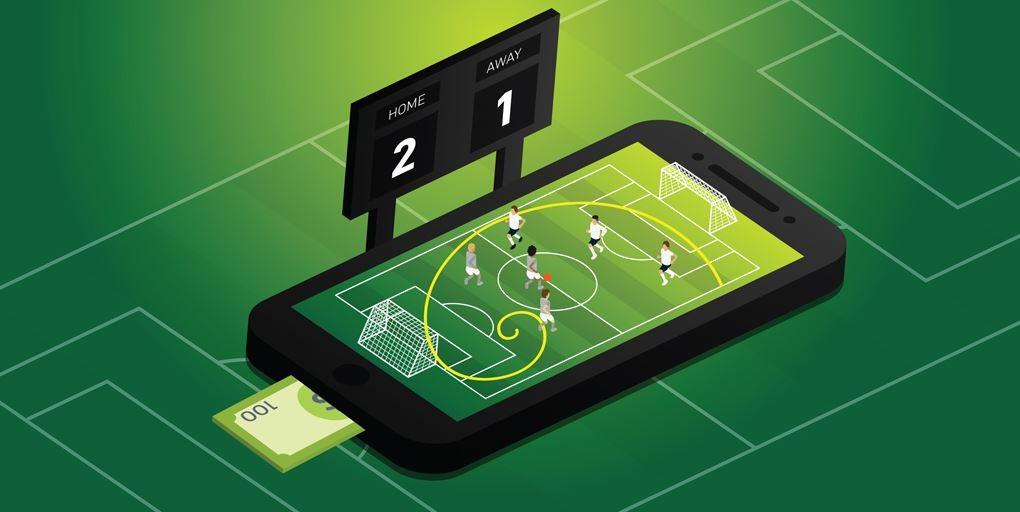
Live betting changes the rhythm of football analysis because the market does not wait for full time. In South African football, this is especially noticeable when a match shifts after an early card, a slow first half, a late substitution, or a sudden change in tempo. The bettor is no longer judging only the fixture. They are judging the fixture, the clock, the scoreline, and the market reaction at the same time.
That makes preparation more important, not less. Before a live market opens, a bettor should already understand the expected tempo, recent scoring trends, squad news, and whether the match is likely to become more open and aggressive. Fast account access through hollywood login also becomes an important part of the routine, since even a short delay during sign-in can mean missing the exact price window the bettor planned to target.
The main mistake with in-play betting is treating every odds movement as an opportunity. In reality, most movement is just the market updating after obvious events. The useful skill is knowing when the new price reflects the game properly and when it may have moved too far.
Why Live Betting Is Different From Pre-Match Betting
Pre-match betting is based on expectation. Live betting is based on expectation plus evidence. A bettor starts with team strength, form, injuries, venue, and motivation, then updates that view as the match unfolds.
This makes live betting more tactical. A favourite drifting from 1.60 to 2.10 after 25 scoreless minutes may look attractive, but the price alone says very little. The better question is why the drift happened. Was the favourite controlling territory without clear chances, or were they unable to progress the ball under pressure?
South African football adds its own context. Premiership matches can be physical, compact, and shaped by game state. A team protecting a narrow lead may sit deeper, slow transitions, and make the match less open. That affects markets such as next goal, over 1.5 goals, over 2.5 goals, both teams to score, and double chance.
This is why live betting strategy should begin before kick-off. The bettor should write down the conditions that would justify a bet. Without that, live betting becomes reaction, not analysis.
The Match Signals That Matter In-Play
Live betting is faster than pre-match betting, but it should not be less structured. The strongest in-play decisions usually come from a small set of repeatable signals.
| Live signal | What it can indicate | Betting angle to reassess |
| Early yellow card to a defender | Reduced aggression or risk of substitution | Opponent attacks, card markets, next goal |
| High shot volume but low shot quality | Pressure without clear chances | Avoid chasing short goal prices |
| Deep defensive block after a goal | Leading team may protect space | Under goals, double chance, next goal |
| Substitution before 60 minutes | Coach reacting to a tactical issue | Momentum, team total, match result |
| Sudden odds drop without visible pressure | Market may be reacting faster than the feed | Wait for confirmation before entering |
The table is not a system for automatic betting. It is a filter. It helps the bettor separate meaningful match information from noise.
For example, a team may have 65 percent possession but create very little inside the box. In that case, a shorter price on the next goal may not be justified by the quality of play. On the other hand, a team with less possession but repeated counterattacks into space may be more dangerous than the basic stats suggest.
How to Build a Live Betting Plan Before Kick-Off
A good live betting plan is specific. It does not say “bet if the odds look good.” It defines the match situations that would make a price worth considering.
A practical pre-match plan can include:
- Opening view: who should control the match and why.
- Tempo expectation: slow, balanced, or open.
- Goal trigger: what type of pressure would justify a goals bet.
- No-bet condition: what would make the match too unclear.
- Exit point: when the price is no longer worth entering.
This matters because live odds can make ordinary moments feel urgent. A price may be available for only a few seconds, but speed is not the same as value. If the bettor has no pre-match framework, the fast market will usually control the decision.
For South African fixtures, the plan should also consider practical viewing quality. A delayed stream or incomplete live tracker can distort judgment. If the bettor is behind the real action, the odds may already reflect information that has not appeared on screen.
Reading Odds Movement Without Chasing It
Live odds are built to move. Goals, red cards, time decay, substitutions, pressure, and market activity can all shift prices. The bettor’s job is not to predict every movement. It is to decide which movements are meaningful.
Take a simple example. A home team starts at 1.90 and drifts to 2.40 after 30 minutes at 0-0. That drift can mean several different things. The market may be reacting to a lack of clear chances, an injury, a tactical mismatch, or simply the reduced time left to win the match.
The same price can be attractive or poor depending on the game. If the home team is creating repeated high-quality chances, the drift may create a better entry point. If the home team is only passing sideways, the bigger price may still be too short.
This is where implied probability helps. Decimal odds of 2.40 suggest a lower implied chance than 1.90. But the bettor still has to decide whether the real chance is higher than the market suggests. Without that comparison, the bet is only a reaction to a bigger number.
Strategy by Market Type
Different live markets require different thinking. A method that works for match result may not work for goals or cards.
For match result markets, the key is control. Who is creating territory? Who is managing transitions? Who has the bench options to change the game?
For goals markets, the key is chance quality. Shots from distance can inflate pressure without making a goal more likely. Crosses into an empty box can look active but carry limited value.
For card markets, the key is match temperature. Repeated fouls, frustrated wide players, late tackles, and tactical breaks can matter more than the scoreline. However, card markets can swing quickly after one booking, so patience is important.
For next goal markets, the key is timing. A team may dominate for ten minutes, but if the price collapses too far, the value may disappear before the bet is placed. The signal can be right while the price is wrong.
Common Mistakes in South African Live Football Betting
The most common mistake is using pre-match confidence as a live excuse. A bettor may like a team before kick-off and keep backing them even after the match shows clear problems. Live betting should update the original opinion, not defend it.
Another mistake is overvaluing possession. In football, possession without penetration is often harmless. A compact opponent can allow the ball in safe areas while protecting the box.
A third mistake is entering too late. When a team has already created three major chances in five minutes, the market may have adjusted. The value may have existed before the obvious pressure appeared in the price.
The final mistake is betting on every televised match. More matches do not automatically create more value. The better approach is to select games with enough information, reliable viewing, and a clear pre-match plan.
Final Thoughts
Live betting rewards preparation, not impulse. The bettor who understands the fixture before kick-off can react with more discipline when the match changes. The bettor who starts analysing only after the odds move is usually late.
For South African football, the strongest in-play strategy is built around context: tempo, scoreline, substitutions, defensive shape, and the difference between pressure and real chance quality. The market will keep moving, but not every movement needs a response. In-play betting becomes more useful when the bettor knows which signals matter and which ones to ignore.