
A culturally nurtured practice in Kenya that showcases skill and discipline, Maasai stick fighting also allows the practitioners to assert their identity. This practice strengthens ties between the younger and older members of the Maasai community, whereby the youngsters are inducted into the ranks of the wreath fighters, or Moran. Through this tradition, the Maasai culture embodies values of honor, respect, and responsibility. The stick fights are a real combat simulation that prove the participants’ ranks and confidence, in addition to being a test of physical and mental endurance. Today, while many follow such traditional events in person, others keep up with the latest local sports and cultural news via the Helabet app on their mobile devices.
History of the Maasai Stick Fighting Tradition
The Maasai, like many other tribes in East Africa, are a practicing pastoral and migratory community. Stick fighting is a tradition that has characterized their community’s identity for several generations. The practice is both a community and an individual ritual that signifies the commencement of adulthood. The practice is particularly vibrant in the marginal areas of the Maasai, especially to the northern borders of Tanzania.
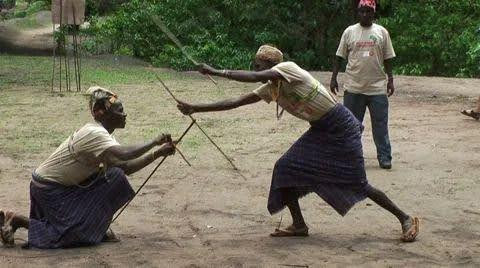
Origins of the Moran Combat Rituals
The Moran combat rituals originated as a means of acquiring basic survival skills and asserting one’s dominance over peers. Men of a particular age group, starting with boys as young as twelve years, participate in these rituals to learn how to use the spear and to wield the traditional fimbo, or club. Ultimately, these experiences build a sense of confidence as well as the warrior skills necessary to defend the community and shield against predatory animals that threaten livestock. Elder participants ensure that cultural norms and safety are observed.
How Rites of Passage Define the Warrior Identity
Rites of passage, including circumcision, signify the shift of boys into warrior status. Stick fighting becomes dual in purpose. First, it is a test of physical prowess, but equally, it provides a demonstration of valor. The attacks of lions and other predatory animals, as well as the challenges posed by rural settlements, are the real dangers of these challenges. The community, including the young man’s family, participates in the rituals to emphasize their role as the primary societal unit among the Maasai people. It is with the successful completion of these rituals that a young man is equipped to present and defend the community, essentially declaring statehood.
Stick Preparation and Equipment for Different Age Groups
In Maasai stick fighting, the best outcomes are reliant on the proper selection of materials for equipment and the age group of the participants.
Selecting Hardwoods for the Traditional Fimbo
Sticks are made from dry hardwoods that are dense enough to provide the durability and strength needed to withstand training. Knowing how to choose the right wood is a skill that is transferred from the elders to the youth. The sticks are sometimes coupled with a spear for training in order for the warriors to be able to learn the safe ways of practicing different combat techniques.
Evolution of Weapons from Junior to Senior Warriors
The younger participants begin with using smaller and lighter sticks and ultimately progress to using longer and heavier fimbos as their strength and skill develop. Senior warriors use fimbos that are spear-like for advancing to more complex drills and ceremonial displays. The aim of this is to ensure that they are adequately prepared to become the protectors of the community, while also maintaining the safety of the participants during drills as directed by the elders.
Combat Techniques and Training to Support Discipline
Stick fighting is also a mental exercise in addition to training the physical body.
Defensive Postures and Offensive Strike Methods
The training also focuses on the simple and defensive moves, while the offensive techniques are more playful. The warriors, also known as Morans, are trained on approximately twelve main moves that enhance agility and accuracy. These exercises teach a lot about controlling the complicated elements of timing, space and controlling the system to avoid injuries.
Mental Resilience and Physical Conditioning of Morans
More than just physical ability, Morans demonstrate mental toughness, endurance, and stick fighting enhances ability to concentrate, and fosters patience. Morans are also trained in endurance and team-building activities. This training also aids in conservation by teaching the mental toughness necessary to safely navigate the natural environments infested with lions and other wildlife, discouraging poaching.
Conclusion
The practice of the warriors in Maasai stick fighting incorporates bravery and poaching awareness and mental toughness. Stick fighting is a tradition that is admired and respected by the Maasai and other cultures. It fosters a love and respect for the wilderness, the environment and the Maasai culture.
FAQs
Is stick fighting in Kenya legal for cultural ceremonies?
Yes. When part of the traditional Maasai ceremonies, stick fighting is legal and is done under the supervision of the elders.
How does warrior practice support wildlife conservation?
The Morans are trained in the necessary awareness and mental toughness to navigate the jungles which are the habitats of the big five and other protected wildlife. Morans often advocate against poaching.
What is the main challenge facing Maasai traditions today?
Rituals are like the lifeblood of traditional Maasai society. Important ceremonies require open spaces. The rapid pace of urbanization is compromising the land necessary for traditional Maasai rituals. The skill transitions from elder to younger family members are the linchpin of these traditions.