
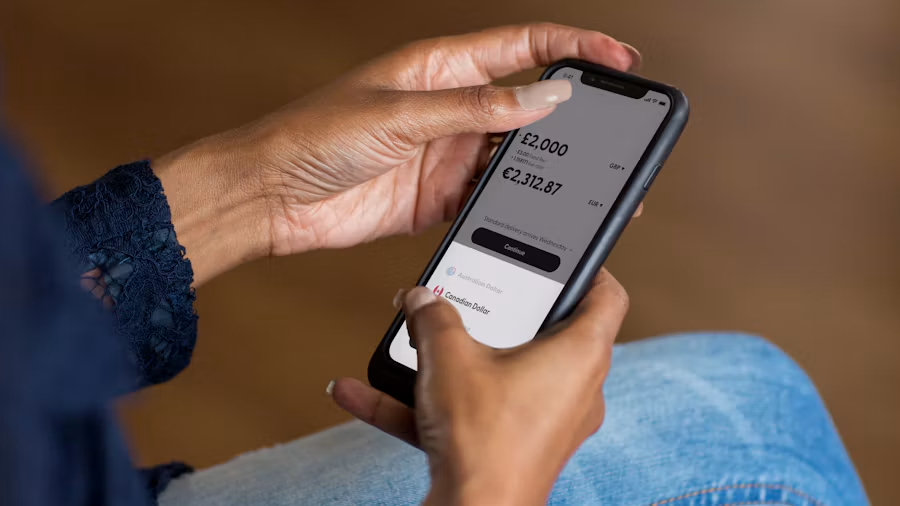
Walk into any sports bar during a big Premier League match. Look at what people hold in their hands.
Phones. Constantly.
Not long ago desktop computers ruled the online sports world, but that’s not the case anymore, especially not with the fast-moving, regionally focused markets.
Creating a functional sports app has its challenges.
You have data bundles which cost money. Signals can change without notice. Regular credit cards are of little use for local money transfers.
Running a live match screen with the aforementioned challenges takes scrappy, bare-bones software and a direct connection to the Mobile Money Wallet, rather than a heavy graphical interface.
Mobile Money Wallets and Quick Micro-Transactions
In various growing sports markets, mobile wallet systems integrated by local telecoms power almost all digital transactions.
Traditional bank transfers take way too long when someone just wants to settle a quick live wager during halftime.
To process many small transactions during peak hours, the systems tap into the cellular network, and allow users to move money to and from their phone number, rather than inputting a long card number.
This is the crux of the technology that runs various regional sportsbooks. For example, GSB Zambia shows how a sportsbook is able to tap directly into a mobile operator’s network and detect a phone number to fund a wallet during a live match.
Simplifying Sign-In Screens and Account Security
Simple deposits are important, but simple account access is important too.
Users are checking odds while walking or standing in a crowd. How many times do you think they want to type a long, complicated password? The sign-in screens are even worse on smaller touch screens.
Two-step verification codes or authentication via the mobile device are better.
SMS codes or biometric authentication (thumbprint scans, for example) are better alternatives.
Whenever someone accesses their profile through an everyday portal or a mobile GSB Login page, background verification systems scan device tokens, network IP addresses, and active session histories in real time. Say an unverified login attempt pops up from an unfamiliar device? The system pauses access instantly until identity gets confirmed through a secondary mobile prompt.
This improves account security in the background and provides easy, instant access to profiles for verified users.
Where Mobile Sports Platforms Head Next
Cloud and lightweight code are shaping how mobile sports apps are developed.
Developers constantly balance these needs. They need to keep account sign-in screens simple, but also add improved live-match tracking.
Adding these features increases the amount of data used, which is bad for users on data plans.
In the end, mobile sports apps that offer instant and secure local money transfers will succeed.