
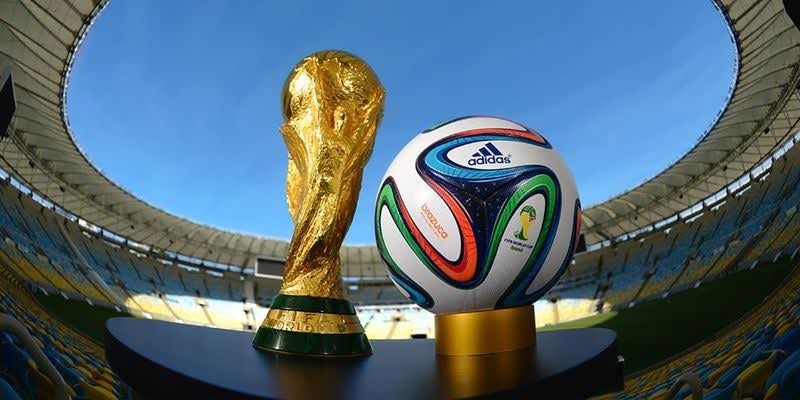
Olympic Football Football is one of the oldest sporting events in the Olympic Games system. Olympic Football is different from the FIFA World Cup in that it gives an opportunity to younger players to compete, but also showcases the spirit of sportsmanship between nations. Both the men’s and women’s divisions are very important to the overall growth of world football. Let’s explore king88 com The competition details are below.
The history of the origin and development of Olympic Football.
In the first 1900 Olympic Games in Paris, men’s football (soccer) was included in the Olympic program and has ever since (except for the 1932 Olympics). In the beginning, a lot of national teams sent their strongest teams. From 1984, however, because of the influence of other professional international tournaments, for example, the World Cup, FIFA and the IOC decided to revise their cooperation in terms of age restrictions and the structure of competition for men’s football teams at the Olympics Casino king88.
Women’s soccer was first introduced as an Olympic sport during the Atlanta games in 1996. Since then, it has continued to be a core part of the games and has gathered remarkable viewership.
Competition format and special regulations
There are significant differences in the formats of the Olympics and other soccer tournaments:
For men’s soccer, Vietnam’s national teams typically comprise U23 players, meaning they are under 23 years of age. In addition, they can feature 3 over-age players to facilitate international exposure to the younger players.
For women’s soccer, the age criteria are completely lifted, meaning national teams can feature their strongest squads. This makes the competition extremely high-level, comparable to the FIFA Women’s World Cup.
Typically, 12 to 16 national teams compete in an event. They are divided into groups and play round robin matches. The top teams proceed to the knockout rounds, which include quarter finals, semi finals and finals. You can King 88 live to watch the matches
Memorable moments in Olympic Football history
Olympic soccer has a rich history with memorable moments. In men’s soccer, the astonishing wins, the new rising stars and the matches have all been an unforgettable experience.
From previous Olympic Games, Brazil sustained many emotional defeats before clinching their first gold medal in 2016, which was particularly historic for Brazil as they won the medal on home soil in Rio de Janeiro. For Brazilian footballing legend Neymar and the rest of the squad, the chronic emotional pain was vindicated as they won in the penalty shootout against Germany.
In women’s football, the United States is the most decorated country and is consistently a favorite to win every Olympic Games. However, the past few Olympic Games have shown the international development of Women’s football as other countries like Canada, Japan and Sweden have dropped to the United States in the medal games.
The role and significance of Olympic Football in the football ecosystem.
It is important to note that Olympic Football is not just about winning a gold medal, as there are additional important values.
For the Men’s football, the Olympics is one of the few tournaments that U23 players are able to compete in. The level of football adds a rare international competitive experience that cannot be acquired on a domestic level and will assist the players in future tournaments like the World Cup, Champions League and other big competitions.
In Women’s football, the Olympics is the best platform for female players to showcase their talent on a big stage, which will also help inspire the next generation of girls to compete.
The joy of sportsmanship and uniting communities: Olympic football games carry no excessive commercialism, so they can remain devoted to undistracted, pure performances that capture the attention of audiences from all over the world.
The most successful countries in Olympic Football
Over the years, many nations have been quite successful:
Men: of Hungary, the Soviet Union, and Brazil, most recently at the Olympics, consistently winning medals.
Women: the US tops the list of Championships, with Germany and Canada close behind. Japan and China, along with the Asian nations, have at one time or another won medals or reached the semi-finals, illustrating the even spread across all continents.
Media and commercial influence
The Olympic football does not attract as big an investment as the World Cup, but it does generate some significant advertising revenue through the Olympics and global visibility and scale. Football’s recent popularity in the developing world has been fueled by the live broadcast of the games on TV, on the Internet, and on social media. Sponsorship of Olympic football and its associated Events by Major corporate sponsors like Coca-Cola, Adidas, and Samsung shows they recognise the commercial potential of Olympic Football.
Challenges and future development directions
Olympic Football must tackle the following challenges:
Because the tournament is not on the FIFA calendar, European clubs find it difficult to let players go for the Olympics, which poses scheduling conflicts with professional leagues, especially for men’s football.
Since the Olympics are traditionally viewed as a “secondary” tournament, as it is not commercialised as heavily as the World Cup or European Championship, it limits the global appeal of Olympic football.
The Women’s game is growing, and with FIFA and the IOC’s commitment to global football, Olympic Football is seeing significant investment and attention.
Conclude
Olympic football plays an important role in international football. For men’s football, it’s an opportunity for younger players to showcase their abilities. For Women’s football it allows the top teams to compete with one another and also drives the development of the game. Olympic Football still carries a unique sense of identity, combining commercialism with a genuine emphasis on the values of sport and humanity. The Olympic Games’ Football tournament will continue to draw unprecedented interest, allowing the sport to reach new fans around the world.